
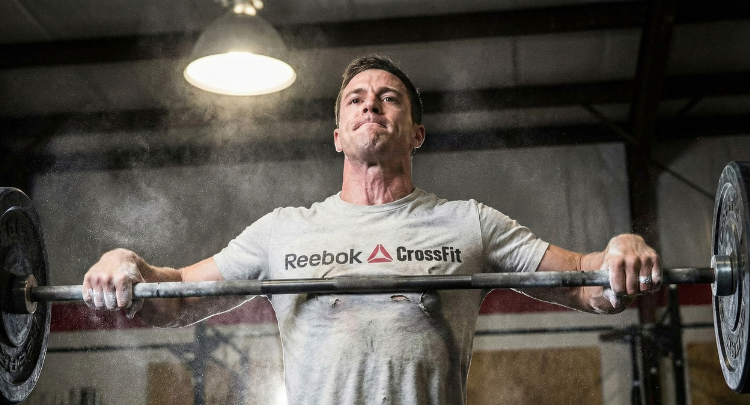
If there is one thing I hate more than getting a "No Rep" on the final rep of a WOD, it’s hearing the sound of fabric ripping mid-Clean.
I’ve spent the last decade inside the Box, hands covered in chalk and my heart rate pushed to the absolute limit. This year, I’ve logged hundreds of training hours—from heavy weightlifting sessions to endless AMRAPs of burpees—putting the top brands' gear to the ultimate test. The harsh reality is this: most commercial t-shirts just can’t survive the friction of an Olympic barbell's knurling or the abrasion of the rubber floor.
A poor choice doesn't just mean a torn shirt every week; it means a tee that sticks to you during a thruster, weighs three extra pounds from sweat, or chafes your skin under a weight vest. In this guide, we break down the best CrossFit and functional training shirts of 2026, engineered to keep up with your pace.
Comparison Table: Top Box Models (2026)
| Model (Brand) | Ideal Focus (WOD/Strength) | Fit | Barbell Factor (Durability) | Rating |
| Reebok Training Tee | Hybrid (The Standard) | Regular | ⭐⭐⭐⭐⭐ | 4.9/5 |
| Nike Pro Dri-FIT | Metabolic WOD | Compression | ⭐⭐⭐ | 4.7/5 |
| Under Armour Rush | Strength / Power | Fitted | ⭐⭐⭐⭐⭐ | 4.8/5 |
| Adidas D4T (Designed 4 Training) | Mobility | Slim | ⭐⭐⭐⭐ | 4.6/5 |
| Puma Fuse Training | Gymnastics WOD | Regular | ⭐⭐⭐⭐ | 4.5/5 |
| Under Armour Tech 2.0 | Daily Training | Loose | ⭐⭐⭐ | 4.4/5 |
| Nike Metcon (Training) | High Intensity | Athletic | ⭐⭐⭐⭐ | 4.6/5 |
Product Breakdown: The 7 Box Warriors
Below, I tear down 7 specific models from the top brands (Adidas, Nike, Puma, Reebok, UA) that I’ve personally subjected to the rigor of functional training.
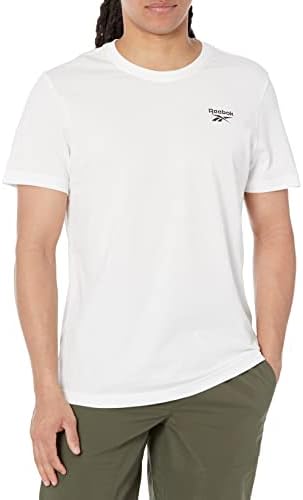
1. Reebok Training Tee
Nickname: "The Queen of the Box"
- Field Test: I wore this during a full "Murph" (with a 20lb weight vest). While my buddies ended up with neck chafing from the vest friction, this Reebok’s fabric acted like a second protective skin without absorbing gallons of sweat. It’s the DNA of functional fitness woven into a shirt.
- Barbell & Floor Factor: Outstanding. The fabric has the exact density needed to withstand the barbell scraping your collarbones during Front Squats without fraying.
- ✅ Pros: Perfect balance between softness and abrasion resistance. Specific cut that allows overhead movements without the shirt riding up.
- ❌ Cons: Designs tend to be very basic.
- 👤 Perfect for you if: You're looking for the ultimate all-terrain shirt that works for running, lifting, and jumping.
- 🚫 DO NOT buy if: You prefer extreme compression gear.
2. Nike Pro Dri-FIT (Tight Fit)
Nickname: "The Light Armor"
- Field Test: Tested during a brutal Assault Bike and Wall Ball interval session. The heat evacuation is insane; you finish the WOD and the shirt is practically dry in minutes. The compression feel aids proprioception in gymnastics movements.
- Barbell & Floor Factor: Medium. Because it’s so thin to prioritize breathability, the aggressive knurling of a new barbell can cause pilling if you aren't careful.
- ✅ Pros: Unbeatable moisture management. Makes you feel fast and light.
- ❌ Cons: Shows absolutely everything (not ideal if you're insecure in tight clothes). Lower durability against heavy abrasion.
- 👤 Perfect for you if: You are a heavy sweater and prioritize staying cool during metabolic WODs.
- 🚫 DO NOT buy if: You’re doing a Powerlifting session with highly abrasive bars.

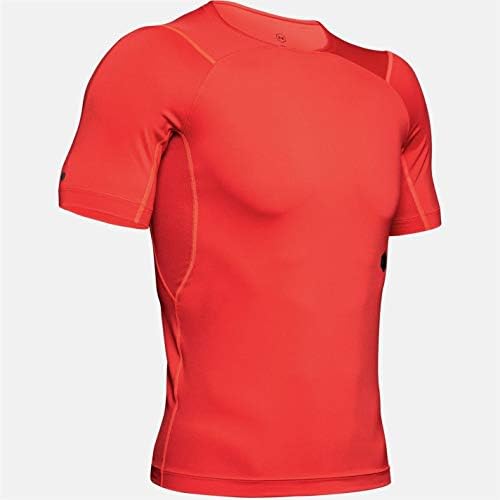
3. Under Armour Rush Energy
Nickname: "The Battle Tank"
- Field Test: 1RM (One Rep Max) day for Deadlifts and Clean & Jerks. The Celliant technology (which theoretically reflects energy back to your muscles) is hard to quantify, but the ruggedness is undeniable. The bar scrapes on the way up, and the shirt doesn't even flinch.
- Barbell & Floor Factor: Excellent. It’s a dense fabric, almost textured on the outside, designed to take a beating. Handles burpees on rubber mats flawlessly.
- ✅ Pros: Extreme durability. The "Fitted" cut doesn't squeeze you but leaves no excess fabric to catch on the bar.
- ❌ Cons: A bit heavier than the Nike options.
- 👤 Perfect for you if: You regularly destroy your workout clothes and love lifting heavy.
- 🚫 DO NOT buy if: You want something ultralight to run a 10k post-WOD.
4. Adidas D4T (Designed 4 Training)
Nickname: "The Mobility Engineer"
- Field Test: Mobility session and heavy Snatches. What stands out here is the underarm gusset pattern. You can lock the bar out overhead in a deep squat, and the shirt won't pull up and expose your stomach.
- Barbell & Floor Factor: Good. Uses reinforced recycled materials that hold up well, though it doesn't quite reach the "armor" level of the UA Rush.
- ✅ Pros: Absolute freedom of movement. Very aesthetic, modern design.
- ❌ Cons: The sizing sometimes runs a bit long for shorter athletes.
- 👤 Perfect for you if: You have great mobility and hate it when your shirt rides up while hanging from the rig.
- 🚫 DO NOT buy if: You prefer the natural feel of cotton (this is a 100% synthetic tech tee).
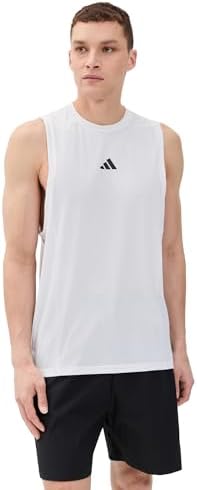
- Classic fit
- Crew Neck
- Main Material: 81% Polyester (100% Recycled) / 14% Lyocell / 5% Elastane
€31.41
5. Puma Fuse Training Tee
Nickname: "The Gymnastics Surprise"
- Field Test: 50 Bar Muscle-ups and 100 Handstand Push-ups. The Puma Fuse shines in gymnastics. The fabric glides nicely against the pull-up bar and doesn't cause excessive armpit friction.
- Barbell & Floor Factor: Acceptable. Designed to pair with the Fuse shoe line (specific for Cross-Training), so it has strategic reinforcements, but watch out for the velcro on your grips.
- ✅ Pros: Very competitive pricing. Highly soft to the touch (dryCELL technology).
- ❌ Cons: Retains odor slightly more than Reebok or UA after many washes.
- 👤 Perfect for you if: You want an affordable, effective option for gymnastics days.
- 🚫 DO NOT buy if: You have highly acidic sweat; requires immediate washing.

6. Under Armour Tech 2.0
Nickname: "The Value Classic"
- Field Test: The daily driver for Monday-to-Friday grinds. I’ve used it for standard group classes. It’s loose, comfortable, and gets the job done without showing off.
- Barbell & Floor Factor: Decent. Because it’s a "Loose fit", the barbell can sometimes catch a fold of fabric if your technique isn't perfectly dialed in, but the material itself is tough.
- ✅ Pros: Cheap, durable, and available in a million colors. Quick-drying.
- ❌ Cons: The cut is very "Boxy"; not the most flattering fit.
- 👤 Perfect for you if: You want to fill your drawer with reliable workout shirts without breaking the bank.
- 🚫 DO NOT buy if: You are competing or looking for elite-level technical performance.

7. Nike Metcon (Dri-FIT ADV)
Nickname: "The Innovator"
- Field Test: A long Chipper with Kettlebells and Box Jumps. This shirt features computer-mapped ventilation zones exactly where you sweat the most. It feels futuristic.
- Barbell & Floor Factor: Reinforced. Unlike the basic Nike Pro, this version (sometimes labeled under the A.P.S. or Metcon line) features tougher panels on the shoulders and chest to resist friction.
- ✅ Pros: Superior ventilation technology. Aggressive, modern aesthetic.
- ❌ Cons: Premium price tag.
- 👤 Perfect for you if: You are a "Gear Junkie" who wants the absolute latest in textile tech.
- 🚫 DO NOT buy if: You are on a tight budget.

Technical Differences: WOD vs. Strength
Understanding the technical differences is vital. Why doesn't a standard running shirt work for the Box?
- Abrasion Resistance: In running, you only battle the wind and your own friction. In functional fitness, you battle rough knurled steel and rubber floors. Box shirts need a higher fabric weight or ripstop weaves in key areas (shoulders, chest).
- Thermal Management: During a WOD, your core temp goes from 0 to 100 in seconds. You need rapid moisture wicking, but not so much that you freeze during strength rest periods.
- Fit: We need a cut that allows for vertical arm extension (overhead) without exposing the lower back.
Insider Tips (Box Hacks)
- The Chalk Trick: If you’re hitting heavy Front Squats and the bar is slipping off your sweaty collarbones, rubbing a little chalk directly onto the chest of your shirt increases friction and secures the bar (this will get your shirt dirty, which is why you need easily washable tech fabrics).
- Shin and Shoulder Protection: No shirt will save you from a sloppy Clean, but slightly longer sleeves or denser shoulder fabric will drastically reduce those minor bruises and friction burns.
- Beware the Velcro: The velcro from your weightlifting belt or your hand grips is the #1 enemy of technical shirts. Always make sure to secure velcro straps before throwing them in the wash or putting your shirt on.
Maintenance: Eliminating the "Box Stink"
Stress sweat (from high-intensity workouts) has a different chemical composition and smells worse. To save your technical gear:
- Immediate Wash: Do not leave your sweaty shirt rolled up in your gym bag. That is a bacterial breeding ground.
- White Vinegar: Add a splash to the fabric softener dispenser. Vinegar kills odor-causing bacteria and doesn't coat and destroy the elastane fibers like commercial softeners do.
- Never Tumble Dry: Excessive heat destroys the elastic fibers you desperately need for mobility.
Final Verdict: Which one should I choose?
After thousands of reps, here is my podium:
- 🥇 Winner for Intense WODs (Metabolic): Nike Pro Dri-FIT. If you are going to die sweating on the Assault Bike, this is the one you want. Light and icy cool.
- 🥇 Winner for Strength & Barbell (Durability): Under Armour Rush. An absolute shield against the iron. Perfect for heavy lifting days where gear takes a beating.
- 🥇 Winner for Value (The All-Rounder): Reebok Training Tee. The essence of functional fitness. It survives everything, fits perfectly, and comes at a fair price.
Frequently Asked Questions (FAQ)
Can I wear cotton t-shirts for CrossFit?
You can, but you shouldn't. Cotton absorbs sweat and becomes heavy (the "wet towel effect"). In a 20-minute WOD, you'll be carrying extra weight, and your skin won't breathe, increasing the risk of overheating and severe chafing.
Are tank tops or short sleeves better for the Box?
It depends on the WOD. For gymnastics or pure cardio, tanks give you maximum freedom. But if an Olympic barbell is involved (Front Squats, Cleans) or Wall Balls, short sleeves are mandatory to protect the skin on your shoulders and collarbones from direct friction.
Why do my shirts always tear around the belly button?
A classic functional athlete problem. This is usually due to the friction of your weightlifting belt (velcro) or the bar dragging down your thighs from the hip (during the lowering phase of a Clean or Snatch). Look for shirts with reinforced lower panels, or tighten up your barbell cycling technique.
How many shirts do I need if I train 4 times a week?
I recommend a minimum of 5. One for each day, plus a spare in your gym bag. You sweat a lot in this sport, and re-wearing an unwashed shirt is both unhygienic and socially unacceptable in the Box community.
Is compression gear worth it?
Yes, for recovery and proprioception during the workout. Plus, it prevents the fabric from catching on your thumbs when doing a Snatch with the bar close to your body.
Athlete's Technical Glossary
- Knurling: The rough, crosshatched texture of an Olympic barbell. It destroys cheap shirts but is vital for your grip.
- 4-Way Stretch: Fabric that stretches in all four directions. Crucial for burpees and deep squats.
- Drop Tail Hem: A hem that is longer in the back. Prevents your lower back from being exposed at the bottom of a squat.
- Flatlock Seams: Flat stitching that prevents chafing and friction wounds during highly repetitive movements (like rowing).
- Anti-Odor Tech: Treatments (sometimes using silver ions) that prevent bacteria from multiplying inside synthetic fabrics.
Common Buying Mistakes
- Buying Running shirts for Weightlifting: They are too thin. The barbell will rip them in two sessions, and they offer zero skin protection.
- Going too Oversized: In functional fitness, excess fabric is dangerous. It can catch on the barbell, trip up your jump rope, or fall over your face during Handstand Push-ups (HSPU).
- Ignoring the collar style: A very wide, loose collar can be incredibly annoying during Front Squats or Cleans, as the bar will make direct, uncomfortable contact with your bare skin.
Wear and Tear Timeline: How long do they last?
In my experience, a tech shirt worn twice a week at the Box has an optimal lifespan of 6 to 8 months.
Beyond that, even if the fabric isn't visibly torn, it usually loses its odor-management capabilities (it starts smelling bad 5 minutes into a sweat) or its elasticity breaks down. If you use it heavily for barbell cycling, keep an eye out for micro-holes around the stomach and shoulders.
Key Takeaways: The Essentials in 30 Seconds
- Fabric matters: Run from cotton; look for dense synthetics (Polyester/Elastane blends).
- Functional fit: Not a potato sack, but not an extreme second skin either (unless intended as compression). Look for an "Athletic Fit".
- Protection: Short sleeves beat tank tops if you are going to be touching a barbell.
- Investment: Spending $40 on a shirt that survives 6 months is vastly superior to spending $15 on one that falls apart after two WODs.
Bonus: My Personal Gear Setup
Just to give you a peek inside my gym bag: When a "Hero WOD" comes up (long grinders like Murph), I always grab the Reebok Training tee and my tactical vest, making sure the seams don't sit directly under the weighted straps. However, on "Open Box" Fridays when I'm chasing Snatch PRs (Personal Records), I heavily prefer a fitted UA Rush or a pure compression tee—I want to feel compact, avoid snags, and ensure absolutely nothing interferes with the bar path. See you at the Box! 3, 2, 1... GO!
Last updated: 2026. Disclaimer: This website participates in the Amazon Services LLC Associates Program. By purchasing through our links, we receive a small commission at no extra cost to you. This helps us keep our content free and updated.