

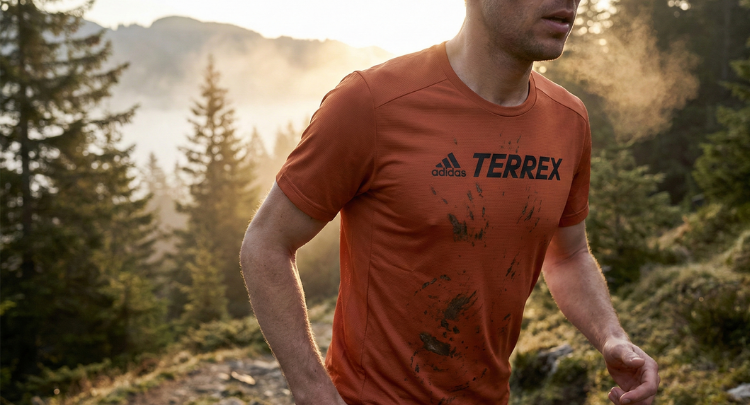
Do you know what the true enemy of a long-distance runner is? It’s not lactic acid, nor the dreaded 20-mile "wall." It’s that cursed seam sawing into your armpit for three straight hours, or a bleeding nipple because your gear decided to turn into sandpaper halfway through an ultra. Choosing the wrong running and trail shirts isn’t an aesthetic mistake; it’s a technical failure paid for in physical pain.
This year, I’ve logged over 1,500 km on my legs. I’ve gone from scorching pavement on marathon long runs to technical, knee-deep muddy trails with 2,000m of elevation gain (D+). I’ve tested dozens of garments, from high-end to budget-friendly options, so you don't have to waste your money. My thesis is clear: your shoes get you there, but the wrong shirt ruins your race.
In this guide for sports t-shirts, we take a deep dive into options from Adidas, Nike, Puma, Reebok and Under Armour. No marketing fluff here—just sweat, technical fabrics, and real miles.
📊 Comparison Table: Top 7 Running & Trail Shirts 2026
If you're in a rush because you have to go hit some intervals, here is the summary table of my field tests with the running and trail shirts that have survived my rotation.
| Model (Brand) | Ideal Terrain | Weight (approx) | Chafing Resistance (Durability) | Rating |
| Nike Trail Dri-FIT Lava | Pure Trail / Ultra | 145g | High (Armored) | ⭐⭐⭐⭐⭐ |
| Adidas Terrex Agravic | Ultra Trail / Heat | 105g | Med-High | ⭐⭐⭐⭐⭐ |
| Under Armour UA Streaker Run | Road / Speed | 98g | Low (Delicate) | ⭐⭐⭐⭐⭐ |
| Nike Dri-FIT Miler | Daily Mileage | 135g | Medium | ⭐⭐⭐⭐ |
| Puma Run Favorite | Value / Budget | 142g | Medium | ⭐⭐⭐⭐ |
| Adidas Own The Run | Hybrid | 130g | Medium | ⭐⭐⭐⭐ |
| Reebok Speedwick | Gym / Easy 5K | 155g | Medium | ⭐⭐⭐ |
🏔️ Product Breakdown: Real Miles, No Filters
Below, I tear down how these 7 technical tee models behave when your heart rate spikes and fatigue sets in.
1. Nike Trail Dri-FIT Lava - The Mountain Armor
If your terrain involves branches, brambles, and serious elevation, the Nike Trail line is, hands down, the absolute benchmark in mountain running apparel today.
Field Test (Real Story):
I broke it in on a 20-mile mountain run with my hydration vest fully loaded (1.5L + mandatory gear). On the lower back, where other garments start pilling from friction, this one remained intact. The fabric structure on the shoulders feels like it was designed by engineers who actually run trails.
Hydration Vest Factor:
Outstanding. It features reinforced fabric zones and a texture that slightly "grips" the pack so it doesn't bounce around, preventing the skin-to-fabric friction that causes burns.
✅ Pros:
- Extreme durability against abrasion.
- Excellent thermal management (you don't freeze when stopping at an aid station).
- Aggressive, functional aesthetic.
❌ Cons:
- Premium price tag.
- A bit heavy for extreme heat days on pavement (+85ºF).
👤 Perfect for you if: You run ultras, always wear a hydration vest, and demand durability.
🚫 DO NOT buy if: You only run on flat, paved boardwalks.

2. Adidas Terrex Agravic - Zero Gravity
When every single gram counts on a steep climb or a Vertical Kilometer (VK), the Terrex Agravic is Adidas' technological answer.
Field Test:
Hill sprint day, 85% humidity. The sensation is practically running naked. The AEROREADY technology in this version is highly porous; it acts like a second skin that expels sweat before it can pool and weigh you down.
Hydration Vest Factor:
Good, but with nuances. It holds up well, but because it’s so thin, if your vest isn't perfectly dialed in and bounces, you will experience premature wear on the shoulders.
✅ Pros:
- Featherlight (barely 105g).
- Instant drying (class-leading breathability).
- Parley Ocean Plastic recycled materials.
❌ Cons:
- Standard Adidas sizing (very long in the torso).
- Less protection against cold winds on ridgelines.
👤 Perfect for you if: You race and are looking for maximum performance and lightweight gear.
🚫 DO NOT buy if: You prefer a soft, cotton-like feel.

- True to size
- 100% recycled polyester openwork fabric
- Moisture-absorbing AEROREADY
14,99€
3. Under Armour Streaker Run - Pure Road Speed
For pavement days, track intervals, or marathons where you are chasing a PB (Personal Best). One of the best running shirts (specifically for road) I have ever tested.
Field Test:
15-mile marathon-pace (MP) long run. The Microthread technology means the fabric doesn't absorb sweat; it spits it out. I finished the session, and the shirt weighed practically the same as when I started. Zero chafed nipples thanks to its extreme softness.
Hydration Vest Factor:
Zero. This is a pure road-running shirt. If you throw a trail hydration pack over this, you'll destroy it in two runs. The fabric is far too delicate for heavy friction.
✅ Pros:
- Class-leading breathability.
- The fastest drying time in this comparison.
- Reflective details for safe night running.
❌ Cons:
- "Fitted" cut (very tight, shows everything).
- Delicate against branch snags.
👤 Perfect for you if: You run road marathons and sweat heavily.
🚫 DO NOT buy if: You are self-conscious in tight-fitting clothing.

4. Nike Dri-FIT Miler - The Workhorse
This is the shirt you see at every local 10K. It’s not the fastest, but it is indestructible. A classic that never fails.
Field Test:
This is my go-to rotation tee for easy Monday recovery runs. I’ve been using it for 8 months, and after 50+ washes, it holds its shape and color perfectly. It’s soft, comfortable, and does its job without excessive technological flaunting.
Factor Mochila:
Acceptable for short runs, but it retains more sweat on the back than the Trail Lava version, which can leave you feeling chilled.
✅ Pros:
- Bombproof durability.
- Very pleasant, almost natural feel against the skin.
- Built-in UV protection.
❌ Cons:
- Soaks up more sweat than the ADV or Trail versions.
- Classic cut (less technical/aerodynamic).
👤 Perfect for you if: You train 3-4 times a week and want rock-solid reliability.
🚫 DO NOT buy if: You are looking for cutting-edge tech for elite racing.
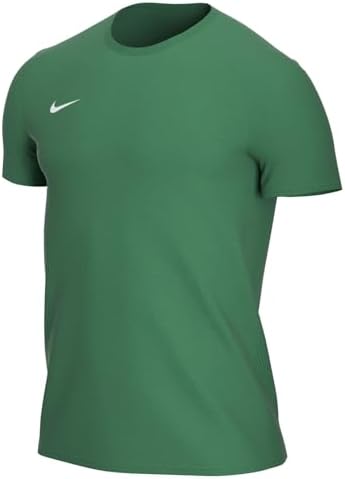
5. Puma Run Favorite - The Value Surprise
Puma has come back strong into the running scene. This garment offers highly respectable performance for almost half the price of its direct rivals.
Field Test:
8-mile park Fartlek. I was pleasantly surprised by the dryCELL technology. It wicks well and the cut is comfortable. It doesn't have the "premium" flatlock seam finishes of Nike, but it doesn't chafe, which is what matters.
Factor Mochila:
Medium. Holds up fine under a running belt or lightweight vest, though it lacks specific reinforcements.
✅ Pros:
- Unbeatable price (you can buy 2 or 3 for the price of one top-tier shirt).
- Bright colors and high visibility.
❌ Cons:
- Holds onto odors faster than UA or Adidas.
- Seams feel slightly thicker to the touch.
👤 Perfect for you if: You are a beginner or on a tight budget.
🚫 DO NOT buy if: You are a gear-snob obsessed with next-gen technical materials.
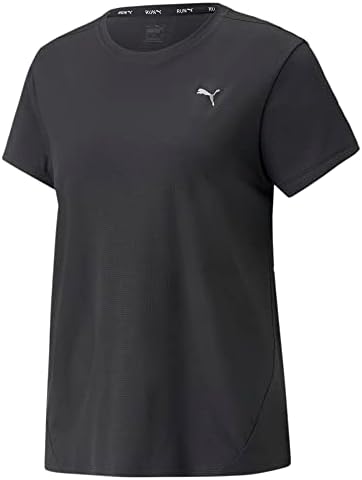
6. Adidas Own The Run - The Versatile Hybrid
If you run road one day and escape to an easy forest trail the next, this is your Swiss Army knife.
Field Test:
Highly balanced. The mesh panels on the sides and back work brilliantly for ventilation on moderately hot days. It resists abrasion well and stands up to the abuse of daily washing.
Factor Mochila:
Medium-High. Handles friction well without being trail-specific, thanks to a medium fabric weight.
✅ Pros:
- Total versatility (Road/Light Trail).
- Highly efficient AEROREADY tech.
- Available in countless colors.
❌ Cons:
- Doesn't stand out in extreme lightness or extreme protection.
👤 Perfect for you if: You are a recreational runner who hits mixed terrains.
🚫 DO NOT buy if: You want hyper-specificity for race day.

- Men's running shirt for your daily miles.
- Regular fit: looser in the body, with a straight silhouette.
- Feel dry, stay dry: adidas AEROREADY wicks moisture away from your body to keep you dry and in the zone.
23,10€
7. Reebok Speedwick Tech - Gym & Easy 5K
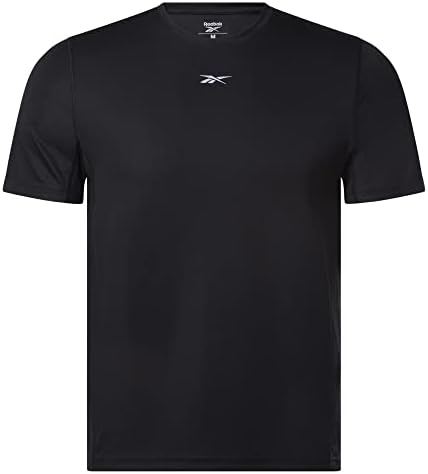
Reebok leans heavily into fitness, but this shirt does the job for occasional runners or treadmill + weights days.
Field Test:
Ideal for run-walk intervals or short miles (3-5 miles). The Speedwick fabric is soft, but it gets noticeably heavier when soaked with sweat compared to pure running options.
Factor Mochila:
Low. The fabric is prone to pilling under heavy, continuous friction.
✅ Pros:
- Extremely pleasant feel (almost like cotton).
- Aesthetic works well for casual athleisure.
❌ Cons:
- Limited breathability on long runs.
- Heavier overall weight (approx. 155g).
👤 Perfect for you if: You run occasionally or strictly on the treadmill.
🚫 DO NOT buy if: You are prepping for a marathon or ultra.
🛠️ Technical Section: Road or Trail? Durability vs. Weight
When choosing between different running and trail running shirts, you should understand the physics of the sport to avoid mistakes. If you want to delve deeper, check out our article on how to choose trail running shoes to complement your gear.
- On the Trail: You fight external friction (branches, rocks, hydration vests). You need a higher fabric weight (gsm) and shoulder reinforcements. Wearing a 90g shirt out here is textile suicide; it will tear by the third outing.
- On the Road: You fight internal friction (your own skin) and metabolic heat. You need extreme lightness and rapid moisture wicking. Here, less is more.
🌡️ Climate and Layering Guide
- > 68ºF (20ºC): Lightweight short sleeve or singlet. Prioritize ventilation and 3D mesh fabrics.
- 50ºF - 68ºF (10ºC - 20ºC): Short sleeve with arm sleeves. The winning combo for managing temperature shifts.
- < 50ºF (10ºC): Technical long sleeve or a lightweight thermal base layer.
💡 Insider Tips to Avoid Suffering
- Vaseline is your best friend: On long runs (>10 miles), apply Vaseline to your nipples, armpits, and groin, regardless of the shirt you are wearing. The dried salt from your sweat acts like tiny glass shards cutting into your skin.
- The Sizing Hack: For Trail, look for an "Athletic" fit (not skin-tight, but not baggy either) to prevent fabric folds from bunching and digging in under your pack. For Road, a slightly looser fit allows air to flow between the skin and the fabric, drying sweat via convection.
🧼 Anti-Odor Maintenance
Do your base layers smell like "wet dog" even straight out of the washing machine? That's your fault. For more details, read our complete guide to caring for technical gear.
- ❌ ZERO Fabric Softener: It creates a waxy film that clogs the pores of the technical fabric and traps bacteria inside. It is the absolute death of breathability.
- ✅ White Vinegar: If they already stink, do a 20-minute pre-soak in a bucket of cold water with a cup of white vinegar. It works like magic to kill bacteria.
- ❄️ Cold Water: Heat "cooks" elastane and warps it. Always wash at a maximum of 30ºC (86ºF).
🏆 Final Verdict 2026
After breaking it all down, here are the podium winners in the world of running and trail shirts:
- 🥇 Pure Trail Winner: Nike Trail Dri-FIT Lava. Comfortable armor that handles whatever you throw at it.
- 🥇 Road/Speed Winner: Under Armour Streaker. Speed, coolness, and total forgetfulness that you're even wearing it.
- 🥇 Value Winner: Puma Run Favorite. Over-delivers for less money for your daily training grind.
❓ Frequently Asked Questions (FAQ)
Is it worth buying a specific trail shirt if I already have a road running one?
Yes, absolutely. If you wear a hydration vest, a thin road shirt will be full of holes and pilling in three runs from the friction. Trail shirts have necessary structural reinforcements on the shoulders and lower back.
Is a tight or loose shirt better to prevent chafing?
Slightly fitted (Slim Fit) is better for long distances. If it’s too baggy, the excess wet fabric weighs you down, moves around, and repeatedly rubs against your nipples or armpits.
How many quality technical shirts do I actually need?
If you train 4 days a week, own at least 3 high-quality ones. Do not recycle an unwashed sweaty shirt; the accumulated salt acts like sandpaper on your skin.
Can I wear the same shirt in winter and summer?
It’s not ideal. A summer shirt (very open mesh) worn in winter will let too much cold air through when you sweat, dropping your core temperature.
Why do my technical shirts smell bad even after washing them?
Probably due to using fabric softener or heavily fragranced detergents. Bacteria get trapped in the synthetic fibers. Use the white vinegar hack.
📚 Runner-Tech Glossary
Para profundizar más en la ciencia textil, puedes consultar estudios sobre termorregulación en tejidos deportivos. Aquí te dejo los términos básicos:
- Flatlock Seams: Joining of fabrics where the edges touch but don't overlap, eliminating the internal ridge that causes bleeding.
- Seamless: A garment knit in a single circular tubular piece. Maximum comfort, though usually more prone to snagging.
- Moisture Wicking: The physical ability of the fabric to "pull" sweat off the skin and transfer it to the outer layer for evaporation.
- UPF (Ultraviolet Protection Factor): A measure of how much UV radiation the fabric blocks. Vital in the mountains where radiation increases by 10% every 1,000m of elevation.
- 3D Mesh Fabric: A structure that creates a micro-space between the skin and the fabric to enhance airflow.
⚠️ Common Buying Mistakes (And How to Avoid Them)
Beyond washing habits, these are the errors I see daily from runners:
- Choosing fashion over function: Buying the latest design without checking the fabric blend or weight. Looking great while your nipples bleed is no fun.
- Ignoring the "Backpack Factor": Wearing an ultralight road tee (like the UA Streaker) for a loaded trail run. Result: a torn shirt in two weeks.
- Obsessing only over weight: Prioritizing extreme lightness over durability. A 60g shirt is cool, but if a tree branch destroys it, you just threw your money away.
📉 Wear and Tear Timeline: What durability should I expect?
Based on my experience destroying gear, this is how long a good technical tee lasts:
A high-end garment (Nike Trail / Adidas Terrex) will survive about 800 - 1,000 km or 2 years of intense use without losing shape. Premium fabrics hold their structure and anti-odor treatments much longer. Conversely, mid/low-tier gear usually loses its odor-wicking capability and warps (stretches out) around 500 - 600 km or a year of use. The signal to retire a shirt is clear: when, despite washing it properly with vinegar, it starts to smell terrible 5 minutes after you start sweating, the antibacterial treatment is dead.
🔑 Key Takeaways: The Essentials in 30 Seconds
- Cotton is poison: It absorbs sweat, weighs three times as much when wet, and chafes. Never run in it.
- Hydration Vest = Trail Shirt: If you are carrying a load, you need shoulder reinforcements, or you will destroy your clothes and your skin.
- Road = Lightness: Look for micro-perforated fabrics and cuts that fly in the wind to manage heat.
- Zero Softener: The absolute golden rule to keep technical gear functioning and odor-free.
🎁 Bonus: My Personal Race Setup
Personally, I am very picky about this. For my track speed intervals (Tuesdays and Thursdays), I use the Under Armour Streaker or the Adidas Terrex Agravic; I need to feel light, fast, and unrestricted. However, for my Sunday mountain long run (15+ miles with elevation), I take zero chances: A fitted Nike Trail Dri-FIT Lava, plenty of Vaseline, and my Salomon vest. I’d rather carry 40 extra grams of fabric weight than finish with my back rubbed raw from pack friction.
Last updated: 2026. Disclaimer: This website participates in the Amazon Services LLC Associates Program. By purchasing through our links, we receive a small commission at no extra cost to you. This helps us keep our content free and updated.